

Discover how AI Image Recognition is transforming e-commerce through Visual Search and Product Matching. Learn how these cutting-edge technologies help businesses increase conversions, reduce search time, and deliver seamless shopping experiences that turn inspiration into instant purchases.
- Introduction
- Understanding Visual Search Technology
- Deep Dive into Product Matching
- The Powerful Synergy of Visual Search and Product Matching
- Comprehensive Benefits of AI Image Recognition in E-commerce
- Challenges and Limitations of AI Image Recognition
- Future Trends in Visual Search and Product Matching
- Implementing Visual Search and Product Matching: Best Practices
- Conclusion
1. Introduction
Picture this: you’re scrolling through Instagram and spot the perfect dress on an influencer, but there’s no tag or link. Or maybe you’ve snapped a photo of a stylish coffee table at a friend’s house and want to find something similar online. This is where AI image recognition transforms the e-commerce experience from frustrating to effortless.
In today’s digital shopping landscape, two groundbreaking technologies are revolutionizing how we discover and purchase products: Product Matching and Visual Search. These AI-powered tools are bridging the gap between inspiration and purchase, making online shopping more intuitive than ever before.
In this comprehensive guide, we’ll explore how product matching and visual search are reshaping e-commerce, the benefits they bring to both shoppers and retailers, and what the future holds for these game-changing technologies.
2. Understanding Visual Search Technology
2.1. What is Visual Search?
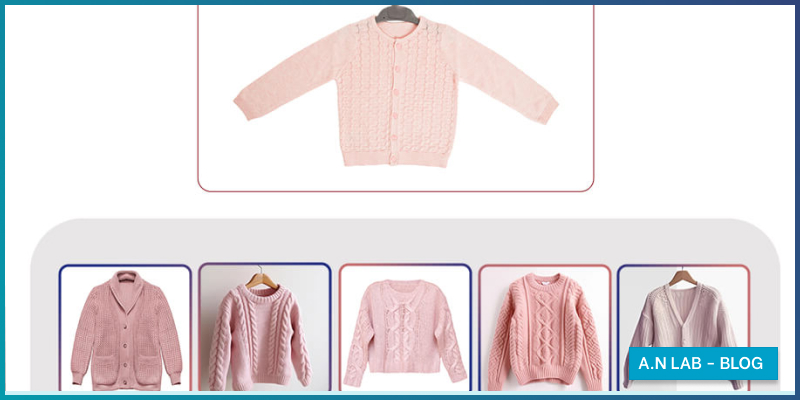
Visual search is an AI-driven technology that allows users to search for products using images instead of text-based keywords. Rather than typing “blue floral midi dress with V-neck,” you simply upload a photo or screenshot, and the system instantly identifies and displays similar products.
This technology represents a fundamental shift in how we interact with e-commerce platforms, making product discovery as natural as pointing at something you like in a physical store.
2.2. How Does Visual Search Work?
Behind the scenes, visual search operates through a sophisticated multi-step process:
Image Analysis: When you upload an image, advanced computer vision algorithms scan and analyze every visual element—colors, patterns, shapes, textures, and overall composition.
Feature Extraction: The AI system identifies and “remembers” distinctive characteristics of the product, similar to how you might recognize a friend’s face by their unique features. These characteristics are converted into a mathematical representation called a “feature vector.”
Database Comparison: The system compares these extracted features against millions of product images in its database, using machine learning models trained on vast datasets to identify similarities.
Ranked Results: You receive a curated list of visually similar products, ranked by relevance and similarity scores, often with filtering options for price, brand, and availability.
2.3. Key Benefits of Visual Search for Shoppers
Eliminates Search Friction: No more struggling to find the right keywords or scrolling through endless irrelevant results. One image captures your exact intent.
Closes the Discovery Gap: When you don’t know a product’s name, brand, or specific terminology, visual search bridges that knowledge gap instantly.
Inspires Discovery: Visual search often surfaces similar products you hadn’t considered, expanding your options and helping you discover new brands and styles.
Speeds Up Purchase Decisions: By reducing the time between inspiration and discovery, visual search shortens the path to purchase and reduces cart abandonment.
Mobile-First Shopping: Perfect for on-the-go shopping—snap a photo anywhere and find where to buy it within seconds.
2.4. Real-World Visual Search Examples
Leading e-commerce platforms have already integrated powerful visual search capabilities:
Pinterest Lens: Snap a photo of any object, and Pinterest identifies it, showing you where to buy similar items and related inspiration. With over 600 million visual searches monthly, it’s become a go-to tool for style-conscious shoppers.
Google Lens: Point your camera at any product, and Google provides detailed information, price comparisons, and direct purchase links from multiple retailers.
ASOS Visual Search: The fashion retailer’s app allows you to photograph street style or catalog images and instantly find matching or similar items from their inventory.
Amazon StyleSnap: Upload a photo or screenshot, and Amazon’s AI identifies products in the image and suggests similar items available for purchase.
Alibaba Pailitao: This powerful visual search tool processes over 10 million searches daily, helping users find products across Alibaba’s massive marketplace.
3. Deep Dive into Product Matching
3.1. What is Product Matching?
Product matching is an AI technology that identifies and links identical or highly similar products across different sources, listings, or platforms. It’s the intelligence that recognizes when a “Samsung Galaxy S24 Ultra 256GB Titanium Gray” from one seller is the same product as a “SAMSUNG S24 Ultra – 256GB – Titanium” from another, despite different naming conventions, images, or descriptions.
This technology goes beyond simple keyword matching, using sophisticated algorithms to understand product attributes, specifications, and visual characteristics to create accurate matches.

3.2. How Product Matching Works
Product matching employs a multi-dimensional approach to identify equivalent products:
Multi-Source Data Analysis: The system analyzes not just images but also product titles, descriptions, specifications, SKUs, brand information, and pricing data.
Attribute Extraction: AI identifies key product attributes—color, size, model number, material, features—and uses these to create a comprehensive product profile.
Fuzzy Matching: Advanced algorithms can recognize products even when information is incomplete, inconsistent, or presented differently across listings.
Variant Recognition: The system understands that the same product may come in multiple colors, sizes, or configurations while maintaining its core identity.
Duplicate Elimination: By identifying when multiple listings represent the same product, product matching creates a cleaner, more organized shopping experience.
3.3. Why Product Matching Matters
For Online Shoppers:
Price Comparison Made Easy: See the same product from multiple sellers at different price points, ensuring you get the best deal without manual searching.
Consolidated Reviews: Access aggregated ratings and reviews from various sources, giving you a more comprehensive view of product quality and performance.
Reduced Confusion: Eliminate uncertainty about whether two similar-looking listings are actually the same product or different items.
Better Purchasing Decisions: With complete information about a product’s availability across retailers, you can make informed choices about where and when to buy.
For E-commerce Businesses:
Catalog Optimization: Prevent duplicate listings that clutter your catalog and confuse customers, improving overall site organization.
Inventory Management: Track the same product across multiple warehouses, suppliers, or distribution channels more effectively.
Competitive Intelligence: Understand how your products are positioned and priced relative to competitors selling identical items.
Enhanced Product Pages: Create comprehensive product pages that combine information from multiple sources, improving SEO and conversion rates.
Marketplace Efficiency: For multi-vendor platforms, product matching ensures that identical products from different sellers are properly grouped.
3.4. Product Matching in Action
Amazon’s Buy Box: When multiple sellers offer the same product, Amazon uses product matching to create a single product page where shoppers can compare prices and seller ratings—the foundation of its competitive marketplace.
Google Shopping: Aggregates identical products from hundreds of retailers, allowing shoppers to compare prices, shipping costs, and seller reputations in one view.
Price Comparison Sites: Platforms like PriceGrabber and Shopzilla rely heavily on product matching to ensure they’re comparing apples to apples across different retailers.
Marketplace Platforms: Shopee, Lazada, and eBay use product matching to suggest “similar items” and group identical products from different sellers.
4. The Powerful Synergy of Visual Search and Product Matching
4.1. How These Technologies Work Together
Visual search and product matching aren’t isolated technologies—they work in tandem to create seamless shopping experiences:
Discovery to Purchase Pipeline: You use visual search to find a product from an image, then product matching shows you all available purchasing options for that specific item across multiple sellers.
Enhanced Recommendation Engines: Product matching identifies exactly what you’re viewing, while visual search suggests visually similar alternatives, creating comprehensive product discovery.
Cross-Platform Shopping: Snap a photo on social media, use visual search to identify the product, and leverage product matching to find the best price across all retailers.
Inventory Intelligence: When a specific product is out of stock, visual search can suggest similar alternatives while product matching tracks when the original item becomes available again.
4.2. Creating Frictionless Shopping Experiences
The combination of these technologies eliminates traditional e-commerce pain points:
- Start with inspiration (an image)
- Instantly identify the exact product (visual search)
- View all purchasing options (product matching)
- Compare prices and sellers (product matching)
- Discover similar alternatives (visual search)
- Complete purchase—all within seconds
5. Comprehensive Benefits of AI Image Recognition in E-commerce
5.1. Advantages for Consumers
Dramatically Reduced Search Time: Find products in seconds instead of minutes or hours, eliminating keyword guesswork and endless scrolling.
Higher Search Accuracy: Visual search understands your intent better than text queries, reducing irrelevant results and improving satisfaction.
Confident Purchasing: Access to comprehensive product information, consolidated reviews, and price comparisons leads to more confident buying decisions.
Cost Savings: Easy price comparison across multiple retailers ensures you never overpay for products.
Accessibility: Visual search makes online shopping more accessible for users with limited product knowledge or language barriers.
Inspiration to Action: Seamlessly convert real-world inspiration into online purchases without friction.
5.2. Benefits for E-commerce Businesses
Increased Conversion Rates: When customers find exactly what they want quickly, they’re more likely to complete purchases. Studies show visual search can increase conversion rates by up to 30%.
Higher Average Order Value: Product recommendations powered by visual similarity often lead to discovery of complementary or upgrade products.
Reduced Cart Abandonment: Faster product discovery and confident matching reduce the likelihood of customers leaving without purchasing.
Lower Return Rates: When customers find products that match their expectations more accurately, return rates decrease.
Enhanced Customer Data: Visual search queries provide valuable insights into customer preferences, trending styles, and demand patterns.
Competitive Differentiation: Offering advanced visual search and product matching capabilities sets your platform apart from competitors.
Improved SEO Performance: Product matching creates cleaner product pages with consolidated information, improving search engine rankings.
Operational Efficiency: Automated product matching reduces manual catalog management work and prevents costly duplicate listings.
6. Challenges and Limitations of AI Image Recognition
While AI image recognition technology is powerful, it’s important to understand its current limitations:
Image Quality Dependencies: Blurry, poorly lit, or obscured images can significantly reduce matching accuracy. The system performs best with clear, well-framed product photos.
Complex Backgrounds: When images contain multiple objects or busy backgrounds, AI may struggle to identify which item you’re interested in.
Custom or Unique Products: Handmade items, custom designs, or highly unique products may not have sufficient similar items in the database for effective matching.
Brand Variations: The same product may be sold under different brand names in different regions, making cross-border product matching challenging.
Counterfeit Detection: While improving, AI still faces challenges in distinguishing authentic products from high-quality replicas.
Privacy Concerns: Visual search requires processing user-uploaded images, raising questions about data privacy and how images are stored and used.
Training Data Bias: AI systems trained primarily on certain product categories or demographics may perform less effectively on underrepresented items.
Processing Speed: While generally fast, processing high-resolution images or searching massive databases can occasionally cause delays.
7. Future Trends in Visual Search and Product Matching
7.1. Video-Based Search
The next evolution of visual search will process video content, allowing you to:
- Record a video of a product in motion and search for similar items
- Pause any video content and instantly search for products shown
- Use live video feeds for real-time product identification in physical retail spaces
7.2. Augmented Reality Integration
Virtual Try-On: Combine visual search with AR to virtually try on clothing, accessories, makeup, or furniture before purchasing.
In-Store Navigation: Use your phone camera to navigate physical stores and receive real-time product information and recommendations.
3D Product Matching: Scan three-dimensional objects from multiple angles for even more accurate product identification.
7.3. Multi-Modal Search
The future of search combines multiple input types:
- Upload an image PLUS voice description (“find this dress in blue”)
- Combine text queries with visual examples for precise results
- Use gestures or touch interactions alongside visual search
7.4. Hyper-Personalized Results
Behavioral Learning: AI will learn from your past searches, purchases, and preferences to deliver increasingly personalized visual search results.
Style Profiles: Systems will understand your unique style preferences and filter visual search results accordingly.
Context-Aware Search: Visual search will consider factors like your location, season, trending styles, and previous shopping behavior.
7.5. Blockchain for Product Authentication
Integration of blockchain technology with product matching will help verify product authenticity, track supply chains, and combat counterfeiting.
7.6. Social Commerce Integration
Seamless Social Shopping: Identify and purchase products directly from social media images without leaving the platform.
Influencer Attribution: Automatic tracking of product discoveries from influencer content, creating new affiliate marketing opportunities.
Peer-to-Peer Matching: Match products between users’ collections for buying, selling, or trading secondhand items.
7.7. Voice-Activated Visual Search
“Show me dresses like the one in this photo but in my size and preferred colors” will become a standard interaction method.
8. Implementing Visual Search and Product Matching: Best Practices
8.1. For E-commerce Platforms
High-Quality Product Images: Ensure your product catalog includes multiple high-resolution images from various angles with clean backgrounds.
Comprehensive Product Data: Maintain detailed, accurate product information including specifications, attributes, and metadata.
Regular Database Updates: Keep your product matching algorithms trained on current inventory and marketplace trends.
Mobile Optimization: Design visual search interfaces specifically for mobile-first experiences where most visual searches occur.
Clear User Guidance: Provide intuitive instructions for visual search features to encourage adoption.
8.2. For Shoppers
Take Clear Photos: Ensure good lighting and focus when capturing images for visual search.
Isolate the Subject: Try to photograph the desired product with minimal background distractions.
Use Multiple Angles: If initial results aren’t satisfactory, try photographing from different perspectives.
Refine Results: Use filters and sorting options to narrow down visual search results.
Provide Feedback: Help improve AI systems by rating result accuracy and reporting mismatches.
9. Conclusion
AI image recognition, powered by visual search and product matching, is fundamentally transforming e-commerce from a text-based, keyword-dependent experience into an intuitive, visual-first shopping journey. These technologies eliminate the traditional barriers between inspiration and purchase, making online shopping faster, more accurate, and ultimately more satisfying.
For consumers, these tools represent a quantum leap in shopping convenience—finding exactly what you want in seconds, comparing options effortlessly, and making confident purchase decisions with comprehensive information at your fingertips.
For e-commerce businesses, visual search and product matching offer powerful competitive advantages: increased conversion rates, reduced operational complexity, valuable customer insights, and the ability to meet rising consumer expectations for seamless shopping experiences.
As these technologies continue to evolve—incorporating video search, AR integration, multi-modal queries, and increasingly sophisticated personalization—the line between physical and digital shopping will continue to blur. The future of e-commerce is visual, intelligent, and incredibly exciting.
The next time you see something you love, remember: you’re just one photo away from finding it. That’s the power of AI image recognition in modern e-commerce.
Our Solution: PicMatch – Similar Image Search
PicMatch – Similar Image Search is an advanced AI-powered visual recognition solution designed specifically for e-commerce businesses looking to implement cutting-edge Visual Search and Product Matching capabilities. Our intelligent image recognition technology seamlessly integrates into your existing platform, enabling your customers to discover products instantly using just a photo. Trusted by leading retailers across multiple industries, PicMatch has helped businesses increase conversion rates by up to 35%, reduce search time by 80%, and significantly enhance customer satisfaction scores. Whether you’re in fashion, home decor, electronics, or any visual-centric industry, PicMatch scales effortlessly to handle millions of products in real-time with industry-leading accuracy. Ready to transform your e-commerce experience and stay ahead of the competition? Let PicMatch power your visual commerce journey.